Can a cluttered house cause anxiety?
Can decluttering help anxiety?
Have you ever walked into a home and instantly felt more relaxed? Maybe you even sighed and then wondered why when you walk into your own home the opposite feels true? It might be that your body is physically reacting to the level of visual clutter in the two respective spaces. Why does that happen? How can you harness the science to train your space to give you that same feeling of calm?
The science
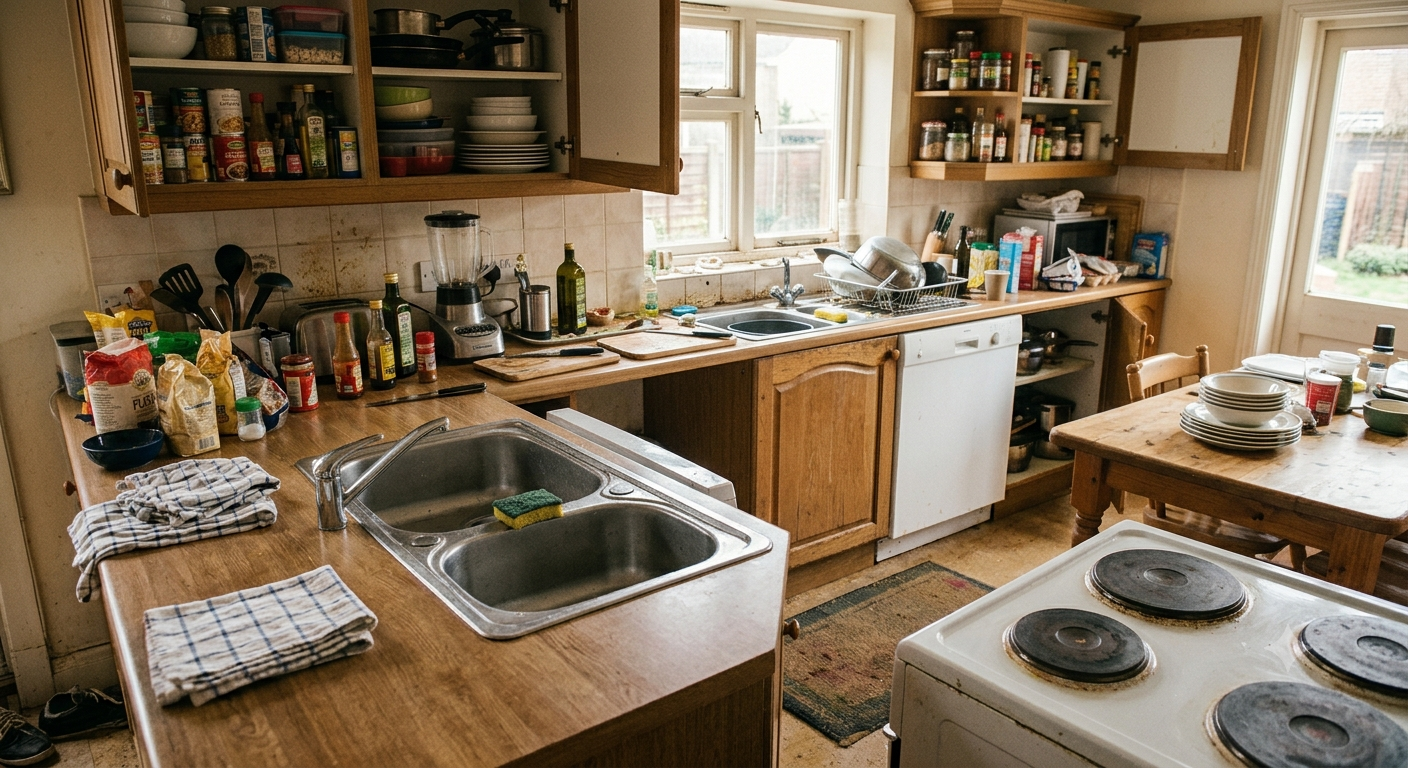
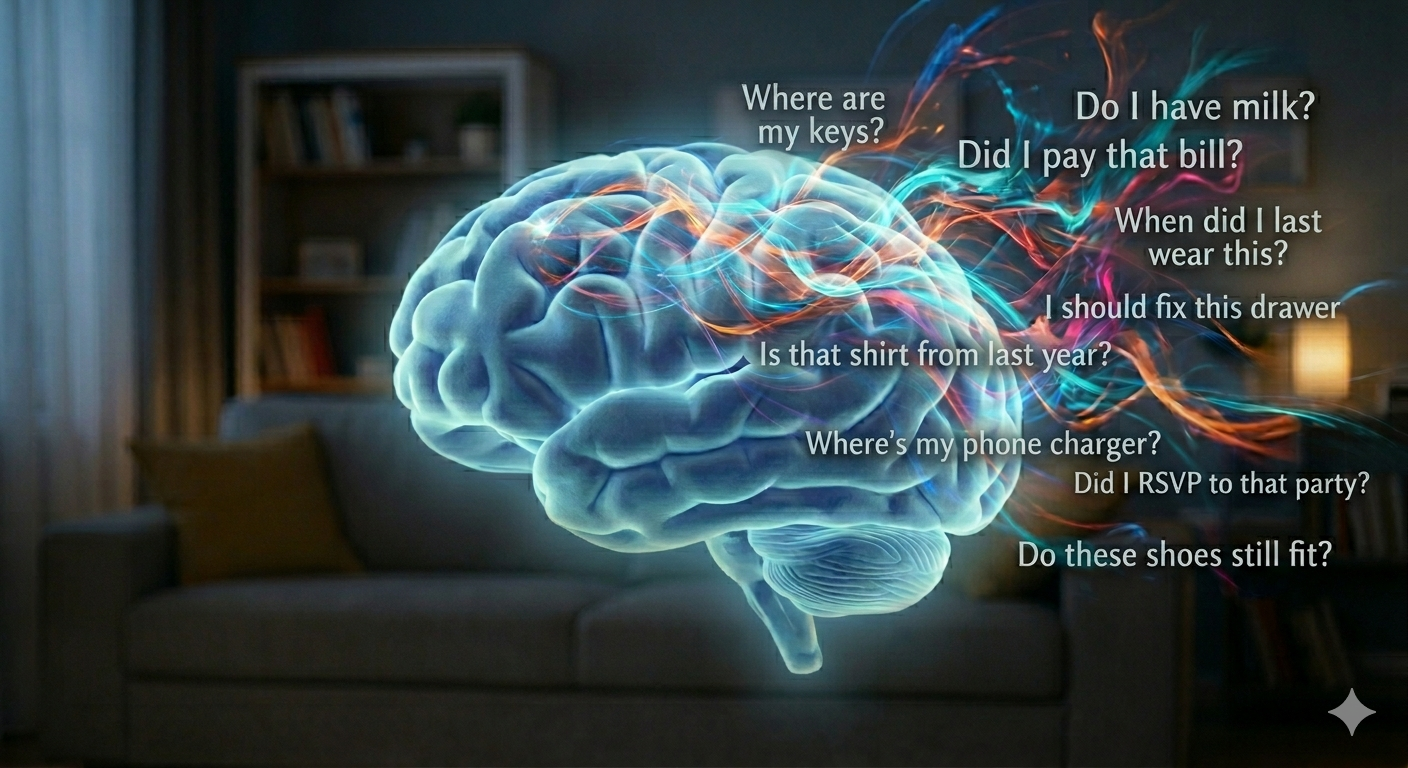
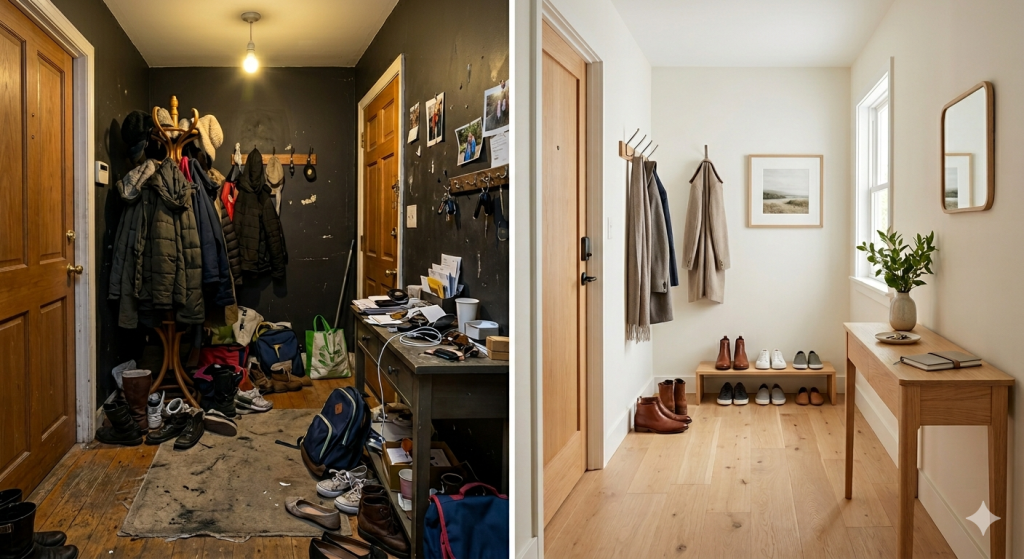
Our brains constantly process everything in our surroundings in order to make sense of what is going on around us. They keep us safe and help us accomplish things. The more things there are around us, the more our brain has to process. Sherri Bourg Carter, PsyD, says that clutter constantly bombards our brains with too much stimulation. Whether this is visual, olfactory or tactile, all of this subconscious input makes it hard to focus. (Why Mess Causes Stress, Psychology Today) It also makes it difficult to relax because our brains are constantly telling us that there are things that still need to be done around us. Dawn Madsen, of The Minimal Mom, calls this the “Silent To-Do List”. Even when we are not intentionally thinking of that library book as something that needs to be read, or returned, our brain does that for us. This leads to overwhelm, stress, and frustration.
The set-up
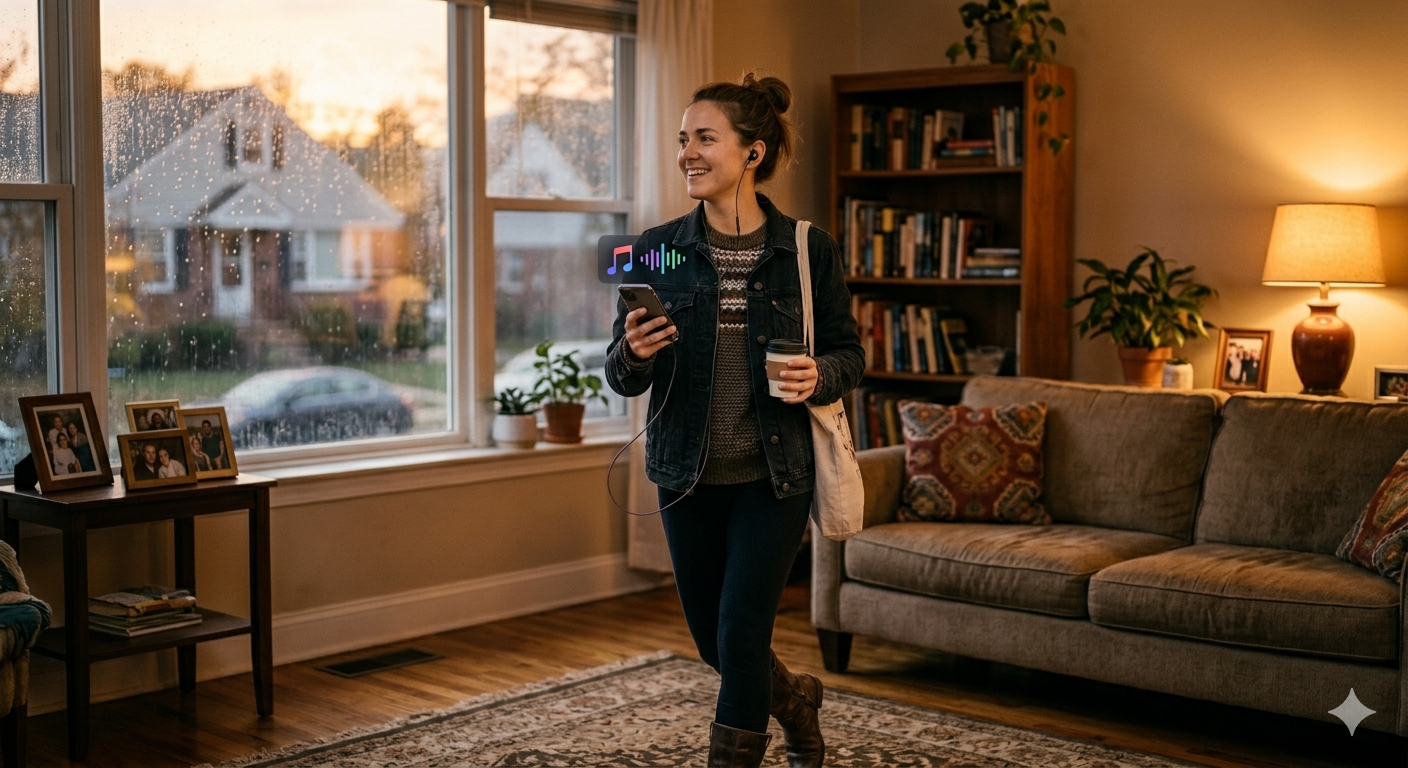
Do you leave music playing around you as you go about your day? Think of the objects in your home as like that music. If you are riding in the car, you might turn the music up to hear it over the engine. If you host a party, however, the music might just quietly hum so as not to interfere with conversation. And when going to bed, you will probably turn the music off completely so that you can get undisturbed sleep. On the other end of the spectrum, music playing at really high decibels could actually prevent you from accomplishing tasks because of dangerous levels of sensory input.
The same is true of our stuff. In order to be able to focus on the tasks that we really want to accomplish, we need to “turn down the noise” in the processing centers of our brain. Different people have different tolerances for how much they can listen to music while doing other tasks. In the same way, your brain might be able to tolerate more visual stimuli around you than mine. Finding your particular clutter threshold is a matter of trial and error. But just like the music example, there is a certain level of clutter that approaches the “dangerous” level for everyone. And just like music, even if you enjoy it or can multi-task with it, clearing your space of clutter still allows your brain a calm that constant sensory stimuli doesn’t.
The solution
Decluttering is the first step in reducing your brain’s background noise. A study by UCLA estimates that the average American home has more than 300,000 items in it. (Life at Home in the 21st Century) If you imagine your brain trying to constantly catalog and manage that many items, you can see why it might be causing you fatigue.
Next, figure out your organizing style. Do you like to have your things where you can see them or hidden away behind doors? Does your brain group things into big categories or do you need detailed micro-categories so you always know EXACTLY where everything is? Knowing (and being honest with yourself) about these preferences will help you implement organization that works WITH your brain’s processing styles instead of against them.
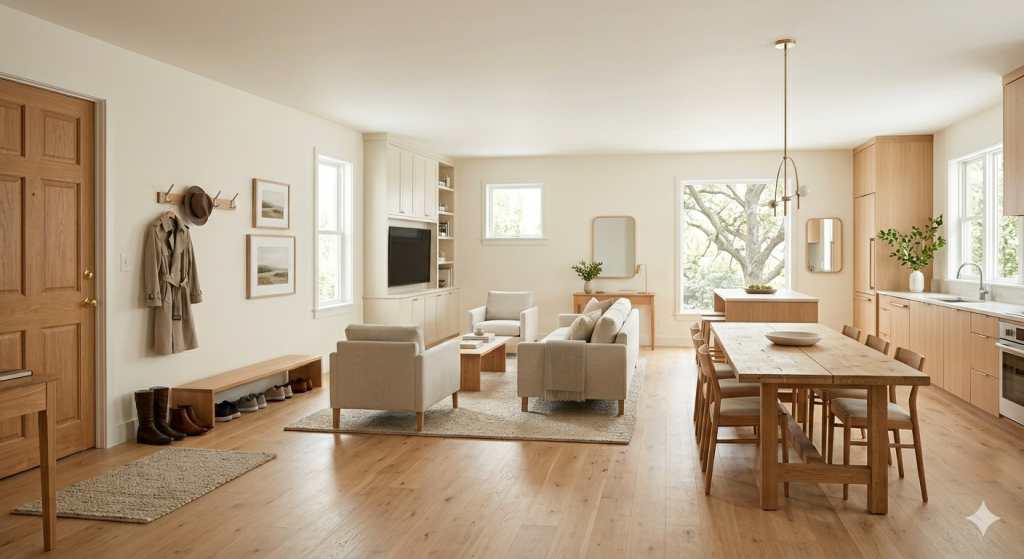
Finally, choose storage solutions that complement your organizing personality and add calm and beauty to your home. Your home systems can be practical, pleasing to the eye, and peaceful.
Need help with your organizational or decluttering challenges? Make an appointment today.