What is the smartest way to organize your fridge?
“What’s for dinner?” “There’s nothing to eat in the house!” “Can I have a snack?” I’m guessing the daily refrain of questions about food that happen in my house are pretty universal to most households, especially ones with kids. Good refrigerator storage solutions can help answer these questions more easily and with less stress by making things easier to see and access. Storage isn’t just an aesthetic, it can also save you time and money, especially when it comes to food issues.
Zoning your refrigerator
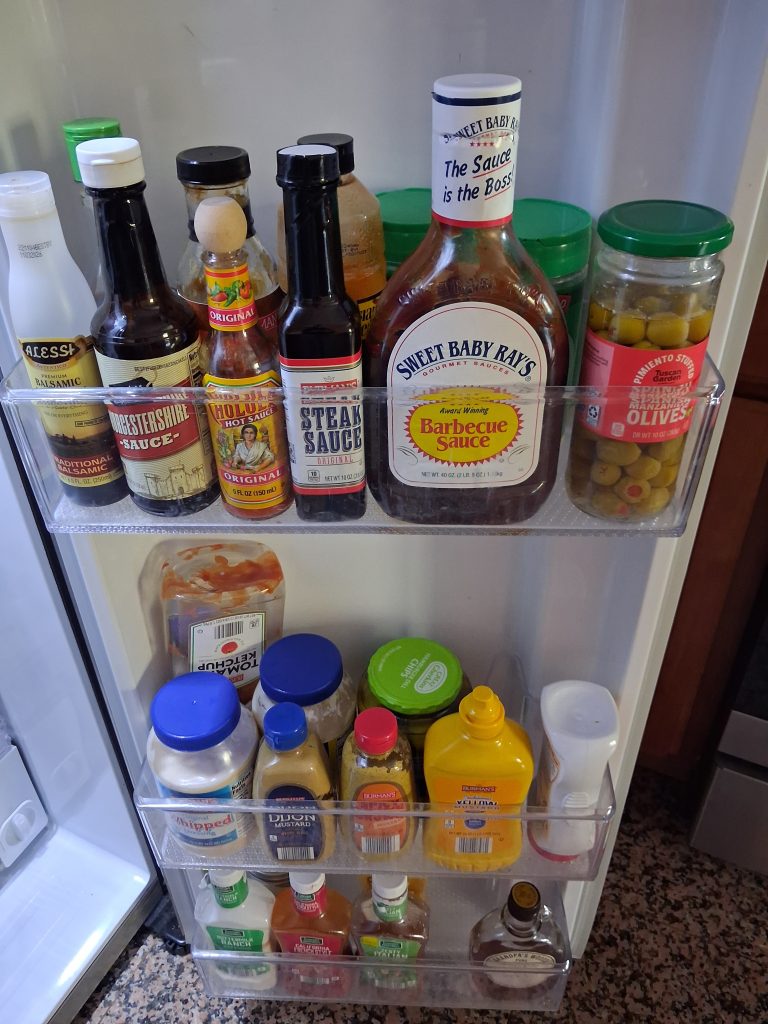
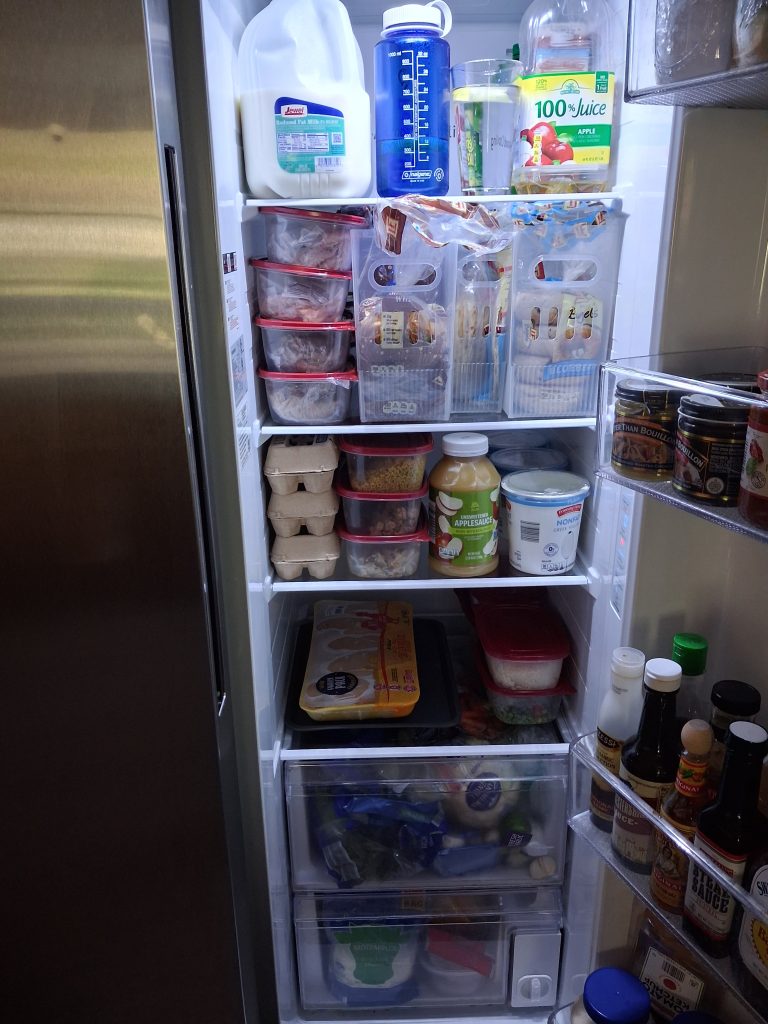
What is zoning? We are talking about dividing the space in your refrigerator into areas that all have the same purpose. A little bit of organization will help a lot before you head out to buy (or recycle!) storage solutions. I have mentioned this before, but you can learn a lot about organization from looking at your favorite stores. Retail stores tend to group product by similar functions or categories. Do the same in your refrigerator. It will save you time looking for things as you prepare meals, and time is money.
In our fridge, we have one shelf for liquids. Another shelf is for breads and lunch meat. A third is just for meal prep for family members with special dietary requirements. A final shelf holds all the leftovers so they don’t get lost in the back of the fridge and turn into goo. You can zone shelves in the refrigerator door in the same way, dividing them into categories like sandwich supplies, condiments and sauces, and salads and breakfast foods. Use the same tactics on your freezer, and you are well on your way to a functioning fridge. Lastly, make sure to label everything. With labels, even your teenagers will have no excuse for not putting things back where they belong (including that bottle of apple juice with half a swig left in it – sorry I can’t help you with that problem).
Finding the right storage
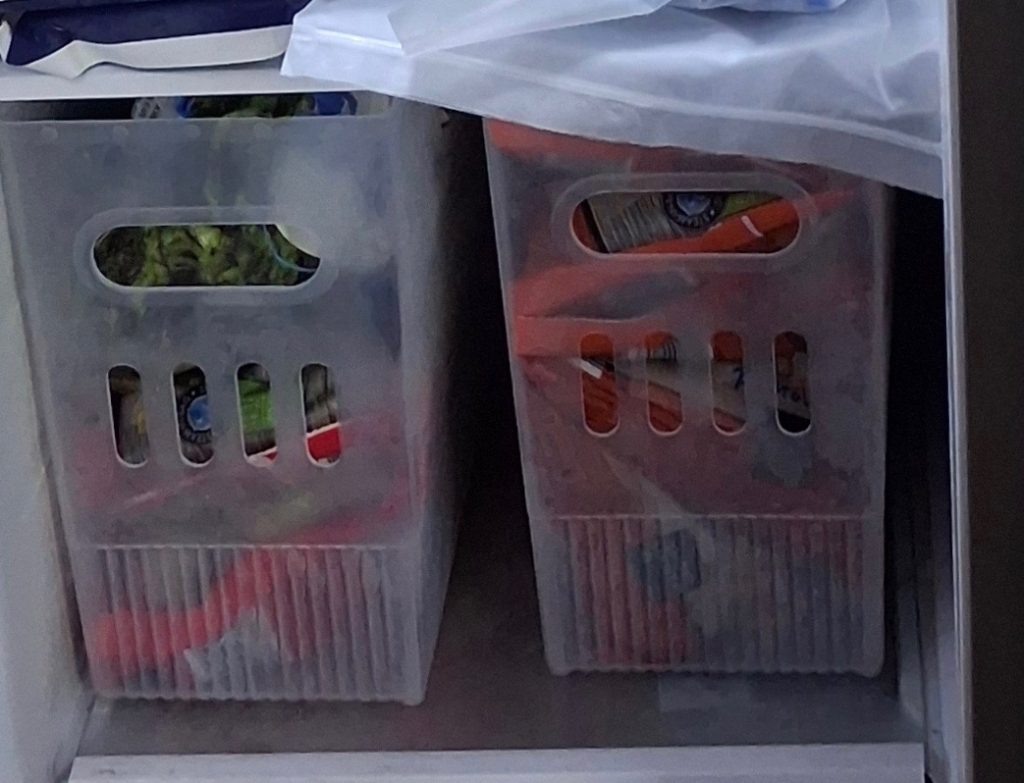
Now that you have zoned your refrigerator, a few multi-purpose storage solutions can help train your space for you. American households throw away over 23 million tons of food every year. Hidden food can become wasted food. One of my pet peeves is plastic packaging that slips and slides all over your shelves. Stacking things to use vertical space results in sloppy, messy piles that hide things in the depths. This is why I love these clear bins from The Container Store. (I do not get a commission from this link.) Things like loaves of bread, tortillas, and bagels can now stand on end in a storage bin. This uses both the height and depth of your shelf more efficiently, corrals all those half-empty bags of carbs, and also serves as crumb catchers. This also works for things like bags of frozen fruits and vegetables in the freezer, allowing you to pull out the bins to see exactly what you have.
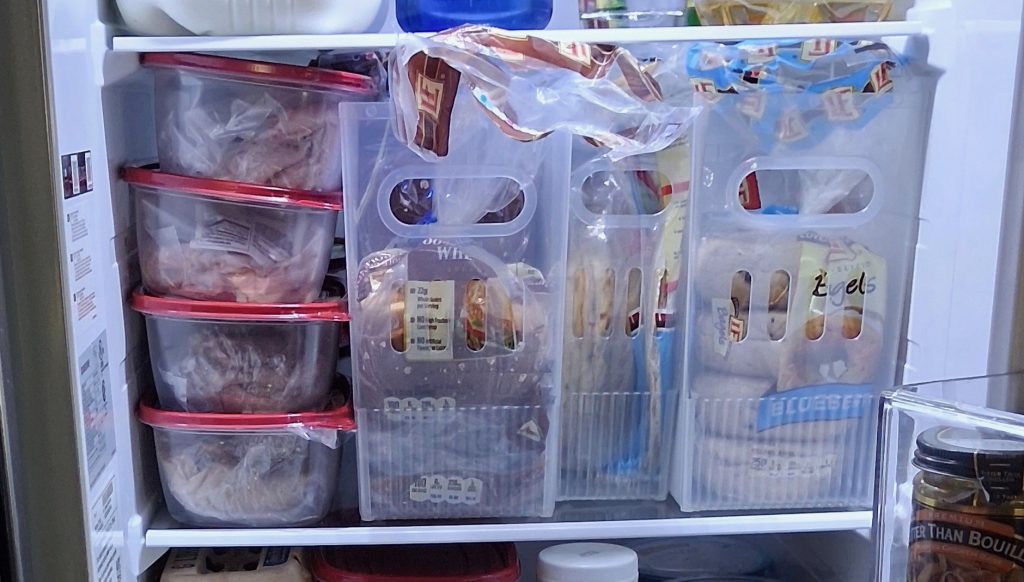
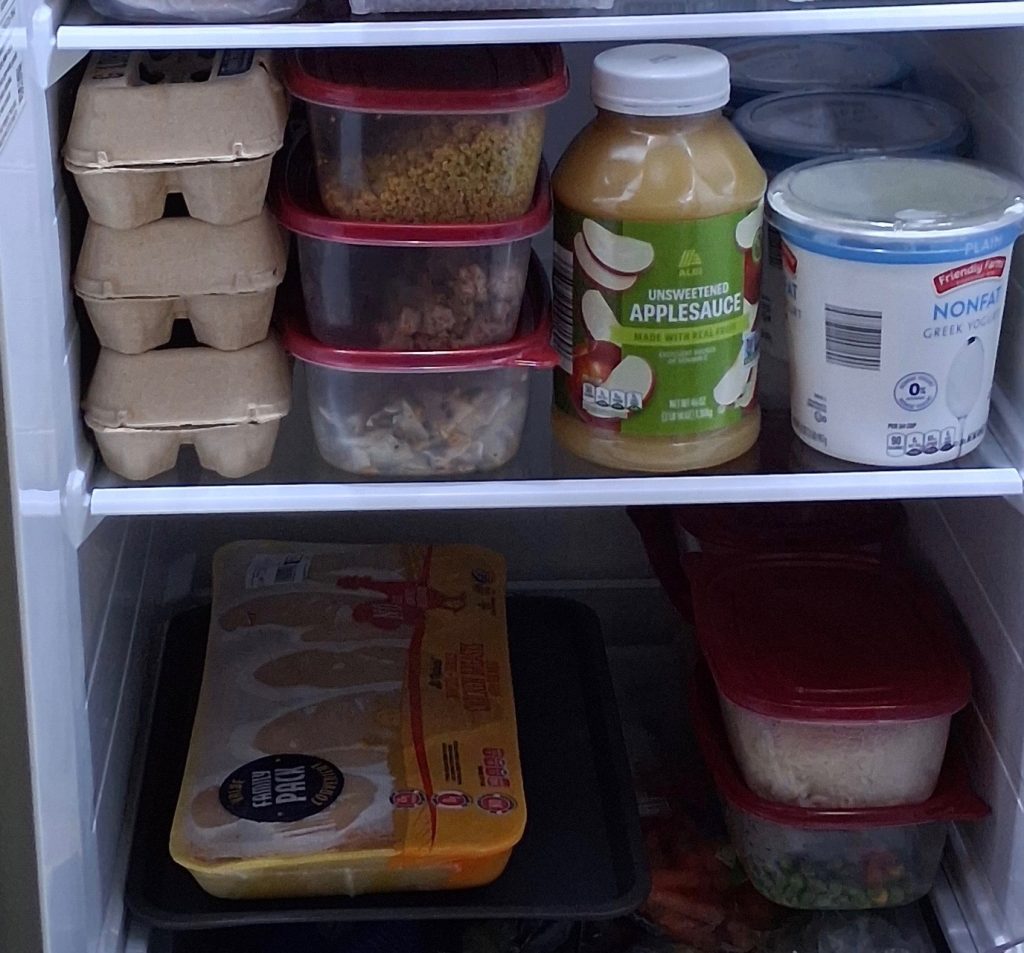
Matching food storage containers provide another important tool. (Click here for my blog on food storage solutions.) Find a container that works for you and invest in multiples. They don’t have to be expensive or create a bigger carbon footprint. Notice the packaging from food you buy regularly. Chances are you can recycle it as storage containers. Matching containers work for aesthetics and ease of stackability, both in the refrigerator and in the cupboard. Pick a medium-sized, clear container that will hold most leftovers your household typically produces and that fits well in the space of your fridge. Bigger containers can still store small amounts of leftovers. And for that one meal that made twice as much as you needed, divide it into more containers rather than sacrificing your stackability for one random large container. Finally, use a washable marker to write the date on the container so you know exactly which food needs to be eaten first.
Drawer dividers
Many refrigerators come with some storage solutions already built in. Drawers are pretty standard in various forms. The problem with refrigerator/freezer drawers is that they are often awkward sizes (too big or too small) or shapes (sloping or with carved out corners) and very hard to subdivide because of the material they are made of. This is where you can get creative.
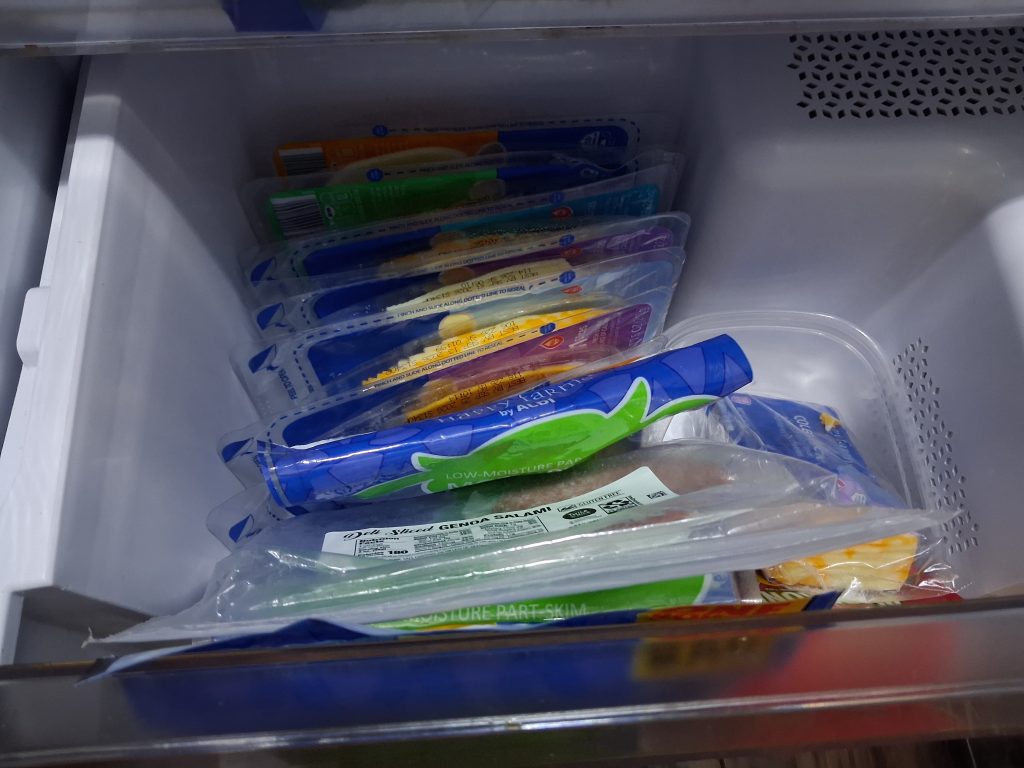
Use the packaging itself to help subdivide the drawers. In my cheese drawer (yes, we have an entire refrigerator drawer just for cheese in our house), the awkward curve in the back of the drawer that fits around some random refrigerator part is exactly the width of a package of sliced cheese. Standing them vertically uses that awkward space well. It also allows us to see what varieties are available and which we need to use up. The other items in the drawer hold them in place naturally. Finally, a small bin placed at the side of the drawer holds smaller packages and locks everything else in place.
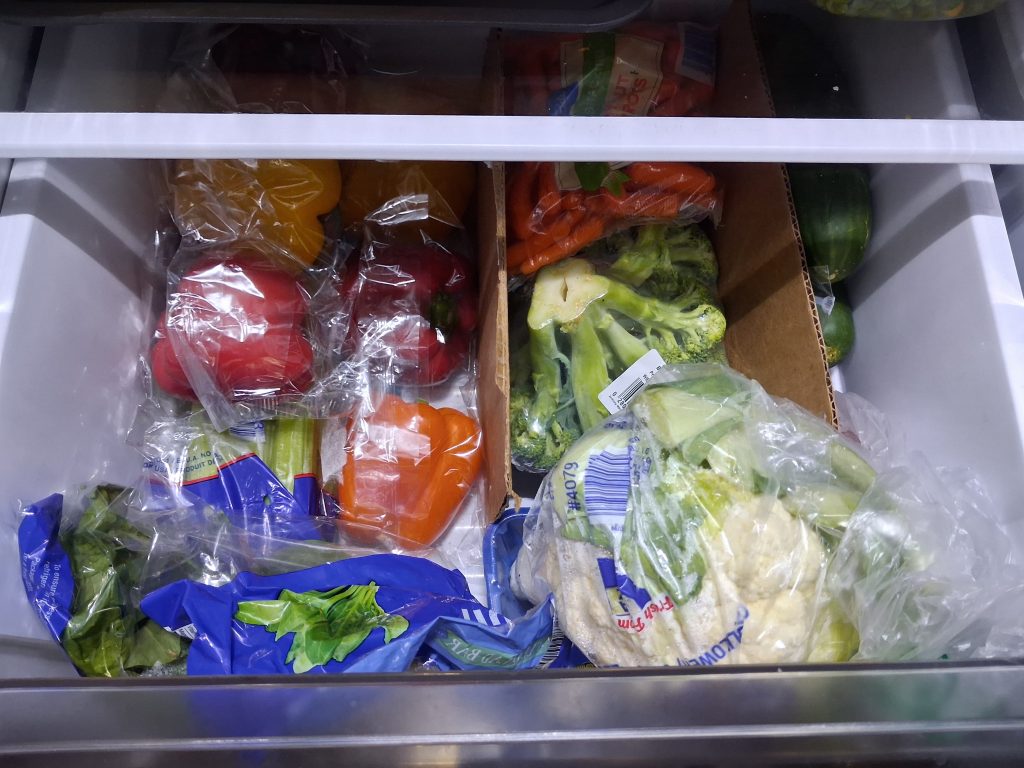
Produce drawers are another problem spot. They work well for “zoning” your fresh veggies, but they are a nightmare of molding cucumbers and half-used bags of carrots buried under the spinach you tossed on top when you went to the grocery store last. Again, a little creativity can go a long way. Is this the perfect solution? Maybe not, but a few cardboard flaps from a clean box serve as great dividers that help stack produce vertically. This makes more things visible and accessible. This was a free hack with the added advantage of not taking up much space. Purchasing bins to fit the space can serve the same purpose and enhance the aesthetic. However, the perfect sizes are sometimes hard to find and add to your cost. Sometimes, though, sacrificing a little bit of space and money is worth the trade-off to make your space work for you.
One last hack
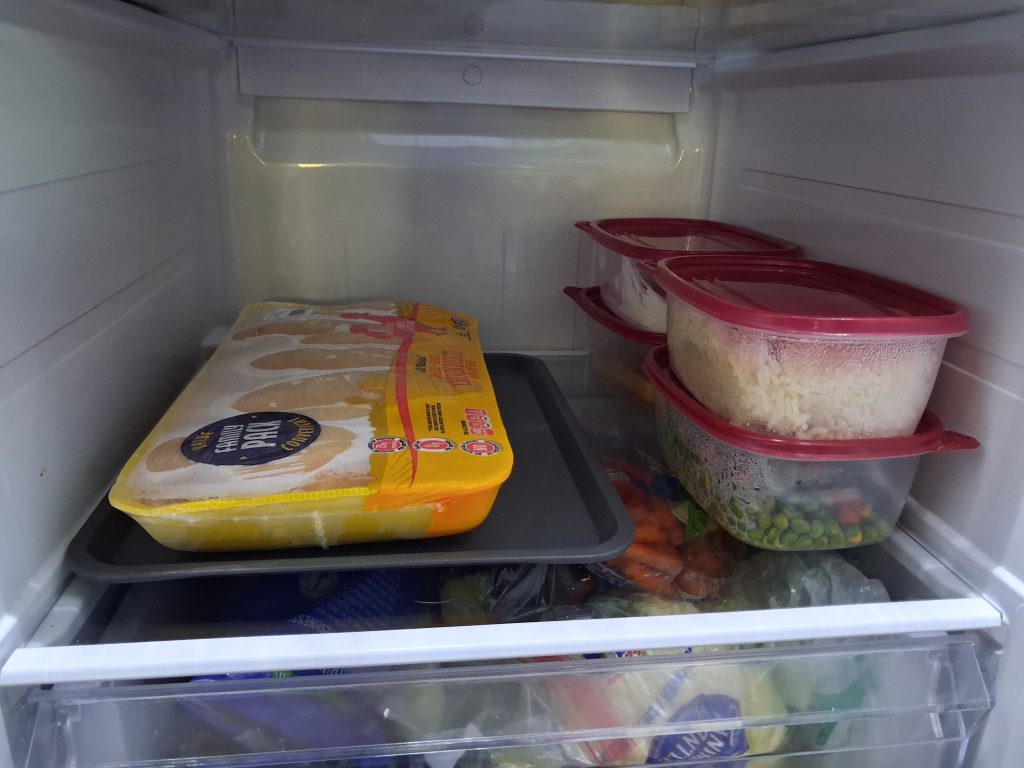
My last pet peeve is the icky mess that thawing meat sometimes creates in your fridge. Leaking juices can not only be annoying but hazardous to your health if they run over onto things like produce that are consumed raw. This is where a “thawing station” in your refrigerator can help. An inexpensive shallow tray can serve to catch any of those pesky defrosting messes before they touch other items. It also makes cleanup of those messes much easier.
Food preparation and storage can either be a chore or a joy, depending on your interests and stage of life. But however you feel about your refrigerator, a little bit of organization and some good storage solutions can help make the time you do have to spend doing it just a little bit easier.