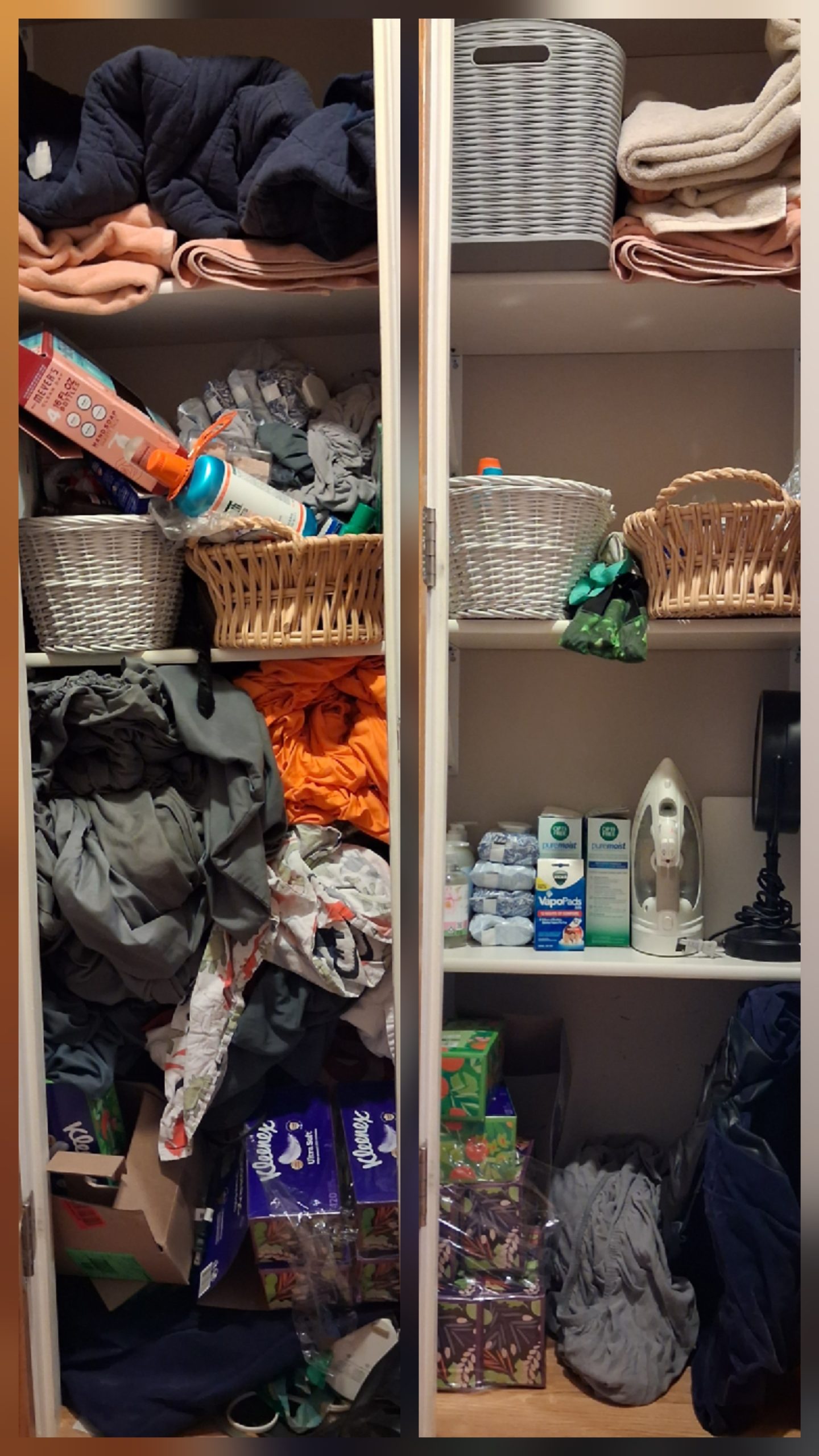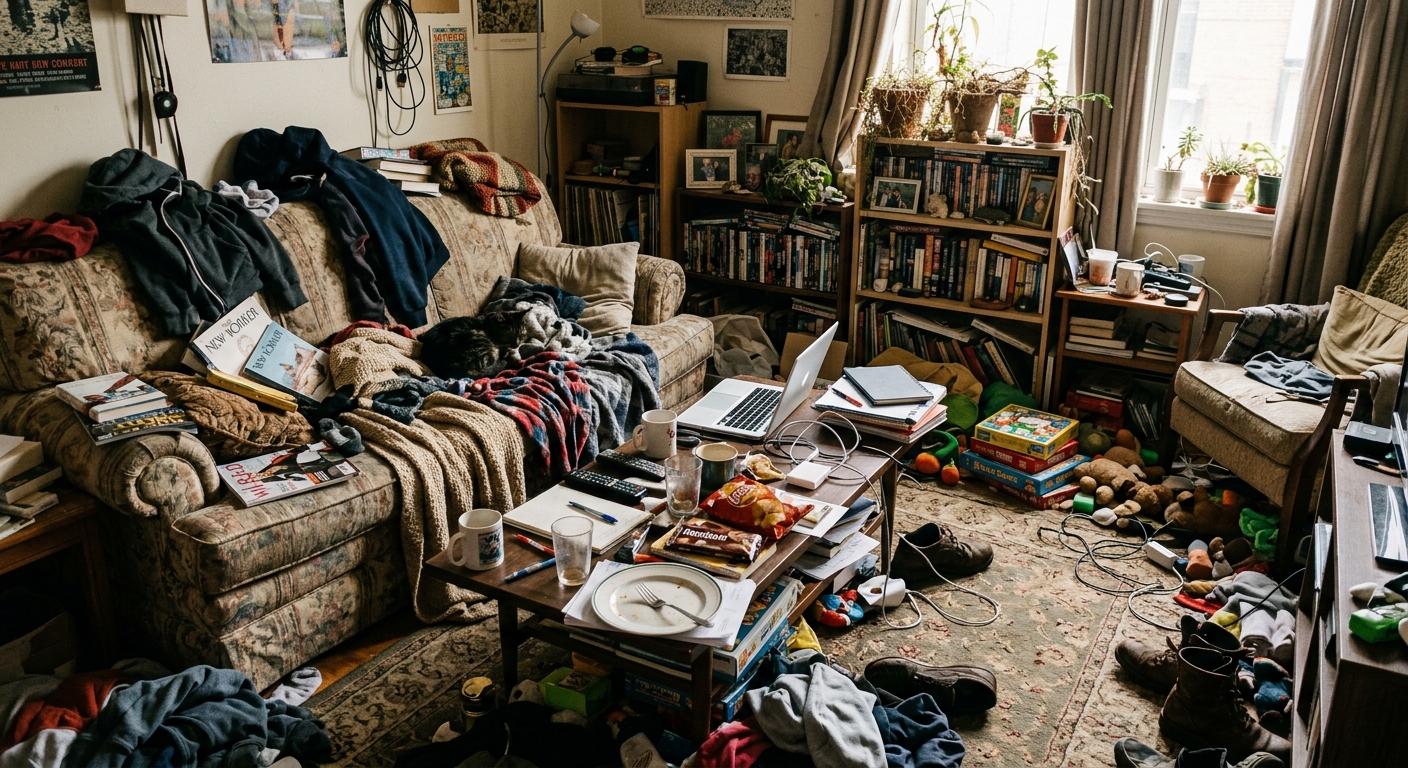

When you finally train your space the way you like it and you have a good maintenance schedule so that it stays that way, disruption can be difficult. Depending on your personality, small messes can be irritating. Large messes can be derailing. But organization is a lifestyle, and life is fluid.
Clutter for a purpose
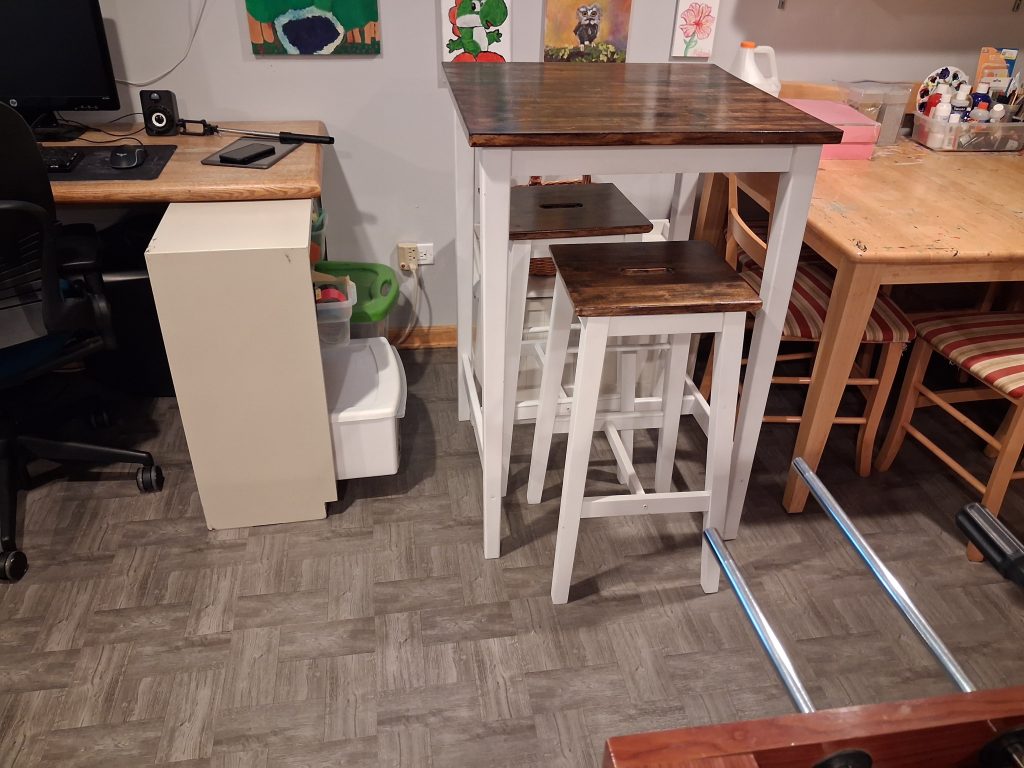
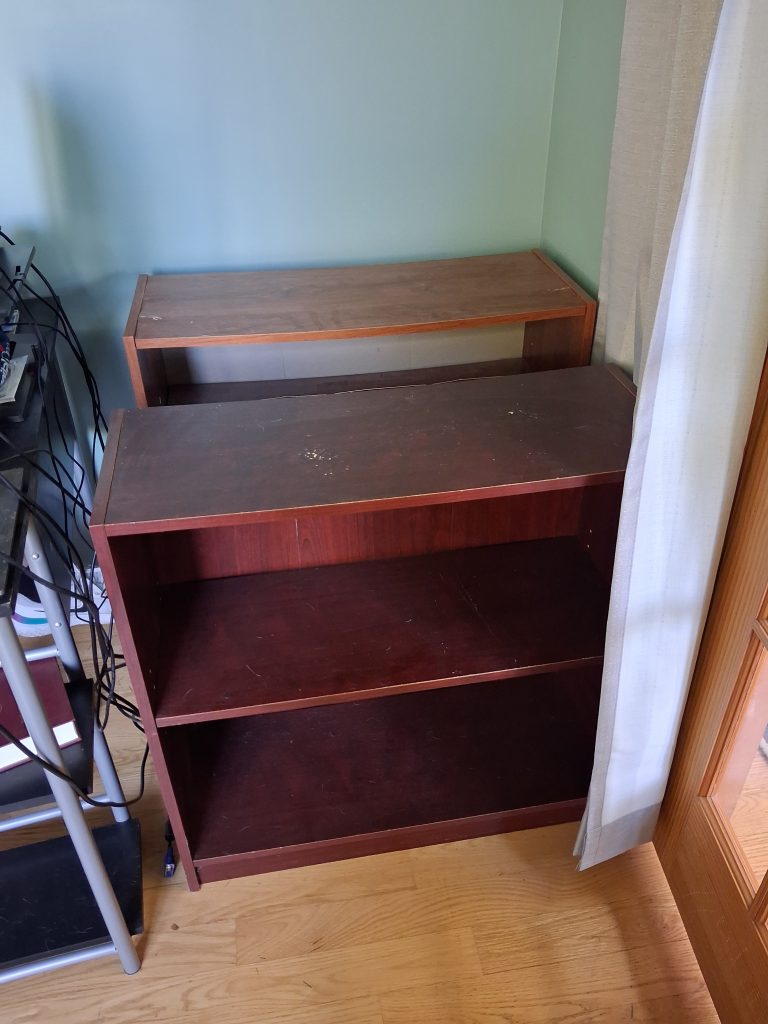
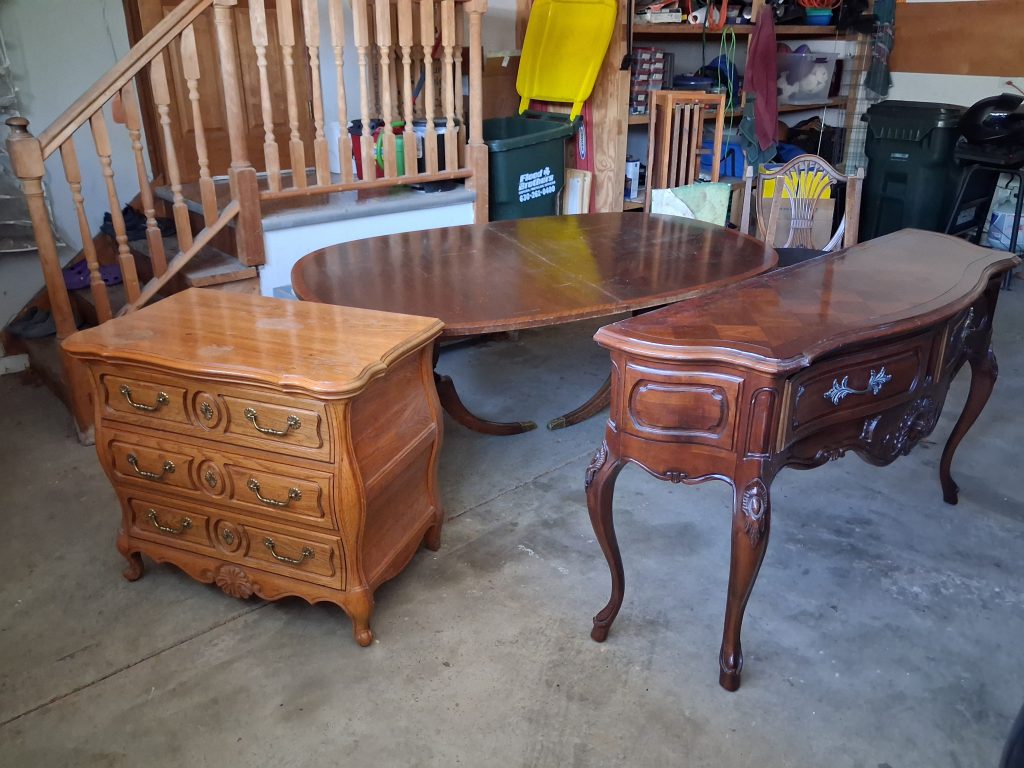
This is what my house looks like right now. There is furniture clutter everywhere. If this is the way I was living, it would drive me bonkers. I can’t pull my car into the garage. I can’t use my basement efficiently. The visual distraction and sensory overload is real. But right now it doesn’t bother me. Why? It’s temporary.
My oldest daughter is graduating from college and moving to another city. In the effort to furnish her new apartment without breaking the bank, we have been collecting some nice, used furniture for her. Family gifted us a hand-me-down dining set (that we really liked and wanted), and we need to move out some of the old pieces. All this extra furniture is only going to be here for a short while. And that’s the key to purposeful, temporary clutter.
Have a timeline
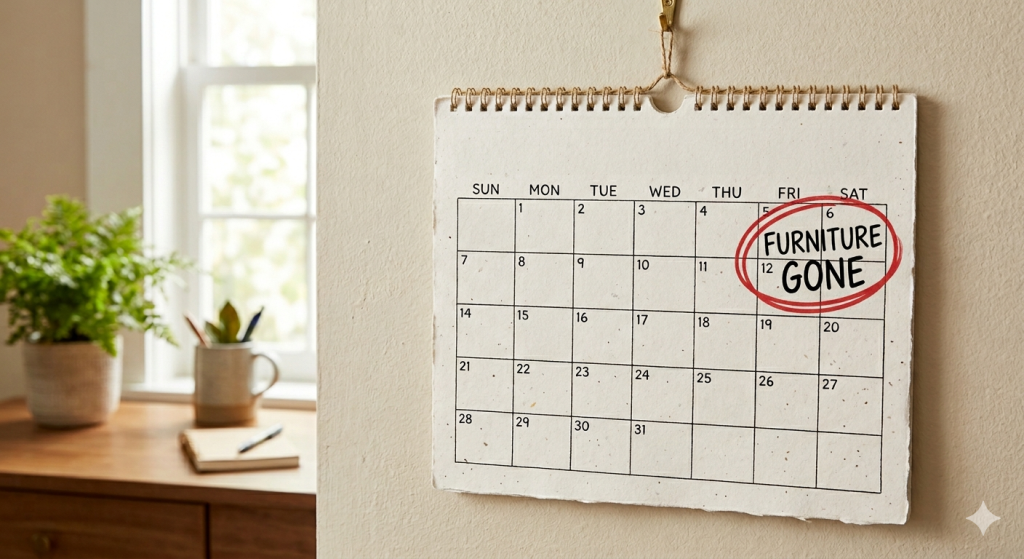
The problem with temporary clutter, especially big stuff like furniture, is that it can sometimes make itself at home and decide not to leave. Give yourself a deadline and write it on your calendar for how long you are willing to give up that extra space. At some point the cost to store those things will outweigh the money you saved by picking them up when it was convenient for a lower price. That line will be unique to every person and isn’t entirely financial. There is a cost associated with the usability of your space. There is a cost in upkeep of those items. For some people there is a cost in the feeling your home gives you as you walk in and see the clutter. Knowing what the personal cost of keeping them is for you will help you determine the timeline that works for you.
Have a plan
Just having a timeline, though, is usually not enough. A definite plan will help you stick to that timeline without getting overwhelmed or letting the stuff become squatters instead of guests. What’s the difference? Squatters take over your space so that you can no longer live there in the way that you want to. Guests, while possibly a little inconvenient, are invited, loved, and eventually leave.
Before we even brought the new furniture into our house we made a plan for how long the situation was going to last. My daughter has a definite move-out date. We already listed the old furniture to give-away sites and friends and if someone doesn’t claim it within a week, we will offer it to a charity that will send a van to pick up furniture donations. If they don’t want it, it goes out on the curb before the next garbage day. A specific plan means that when the timeline expires, there is no mental effort needed to get rid of the clutter. It may require some physical energy, but you have already expended the mental energy, and that sometimes proves to be the harder job.
Be flexible
Keeping a clutter-free home requires continual effort. But sometimes a little clutter can serve a necessary purpose. There’s an old saying about not being able to see the forest for the trees. It means that sometimes we can fixate so much on specific details that we can’t see the big picture. In the big picture of living our lives in a way that makes us feel good and accomplishes our goals, decluttering and organization can be a huge help. But allowing some carefully selected clutter, for a time, with a plan, can serve those goals just as well. Making your space work for you sometimes means being flexible enough to allow those spaces to change function for a season.