
How to get kids out the door for school in the morning
How to have a calm morning before school
It’s back to school time and with that comes all the stress of busy calendars, new routines, and morning mayhem. It’s only the first week, and you’re not sure you’re going to make it to June. Here are some quick tips that can calm the chaos just a little.
Too Many Choices
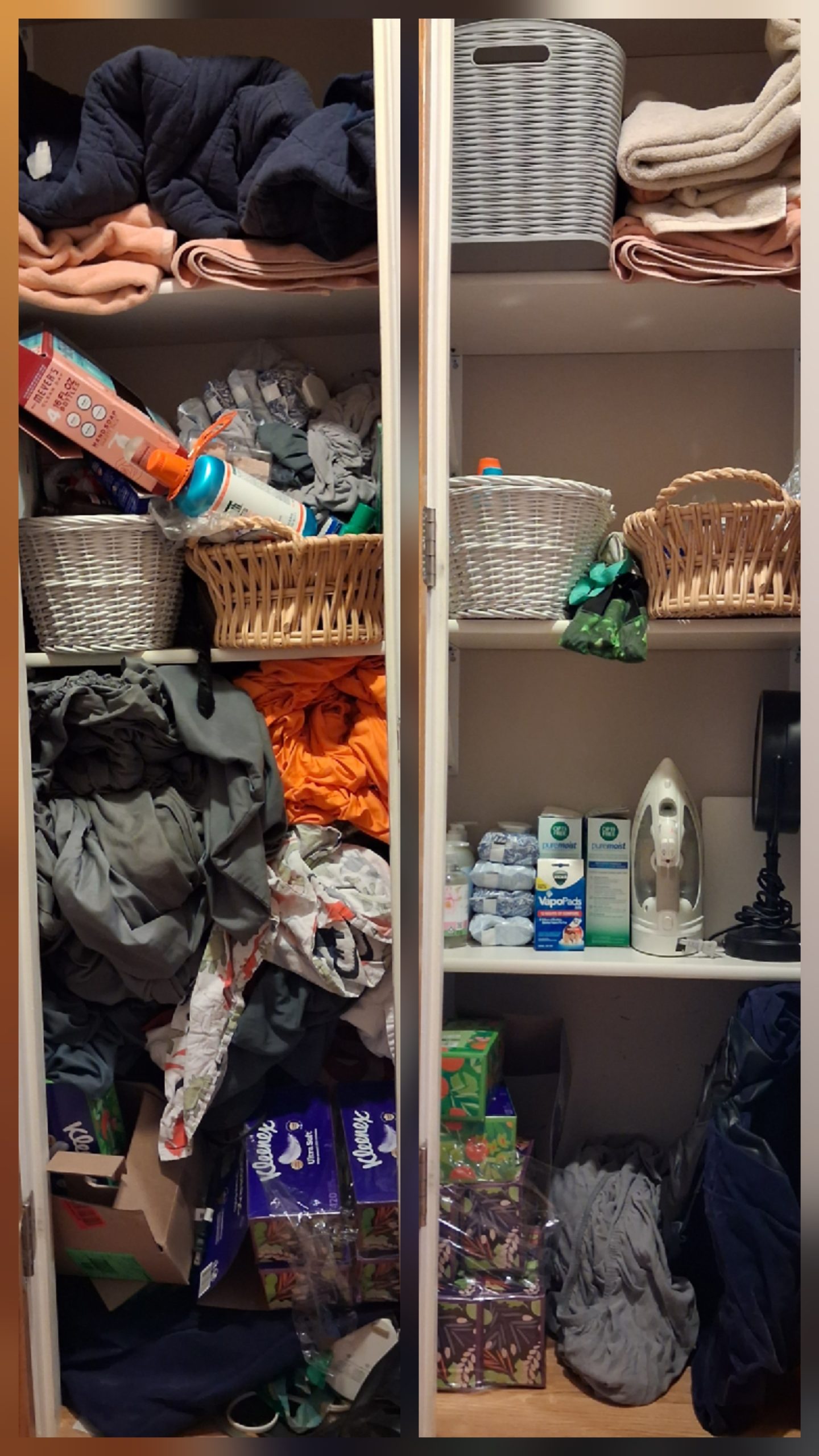
“Mom! I don’t have anything to wear! Mom! There’s nothing to eat! Mom! I can’t find my school backpack! Mom!!!!” If you are having trouble getting kids out the door in the morning, it may not be that you don’t have the things that you need. It may actually be that there are too many things available that you could need. Too many choices lead to cognitive overload. If you want your morning to be simpler, make your choices simpler.
Fewer options mean less decision fatigue
In my house, I have a kid that eats exactly the same thing every single day before going out the door. Every. Single. Day. It’s boring, but it’s easy. I know exactly what groceries I need to buy at the store. He knows exactly where to find them. Because he has a uniform, he also wears exactly the same thing every day. (A clean set, obviously.) There is zero decision-making to do. That leaves a lot more space in his executive functioning for other decisions that might come up or things he might need to remember. This narrow a range of choices might not be the perfect fit for your family, but even narrowing down the options to just a few can make a huge difference.
Some hacks for simplifying the morning routine

Pre-planned menus can work well to provide breakfast variety without day-of decision-making, but they aren’t for every family. They require a lot of work ahead of time, a lot of complicated grocery shopping, not to mention the preparation the morning of, and there is always that one person who isn’t in the mood for what’s on the menu. Instead, pick just two or three breakfast foods that everyone likes and will always be available. Buy those every time you go to the grocery store so that you never run out. Then every morning the only choice is, “Do I eat eggs or Cheerios this morning?” Multiple choice is almost always better than free response for lowering stress levels, especially for family members with neurodiverse capabilities. People getting tired of the same few options? Switch up the options, but still keep it to only a few.
The same strategy works for clothes. Some kids tend to gravitate toward simple clothing preferences, and this makes it easy. If all your socks are the same brand and color, you never have to find matches. If your shorts/pants are all neutral, they will match any t-shirt you choose. This can work even for your fashion-lovers, though. If all your clothes are at least in the same palette, every top will go with every bottom making mix-and-match easy and increasing the odds that you have “something to wear”. And check out this post for ways to get your kids (even teens!) to keep piles of clothes off their floor.

Lower the inventory.
Lowering the inventory has ripple effects. If you have fewer types of foods in your refrigerator and cabinets, it is easier to find things. It is easier to shop. It is easier to put groceries away. Less food gets wasted because you know what is there.
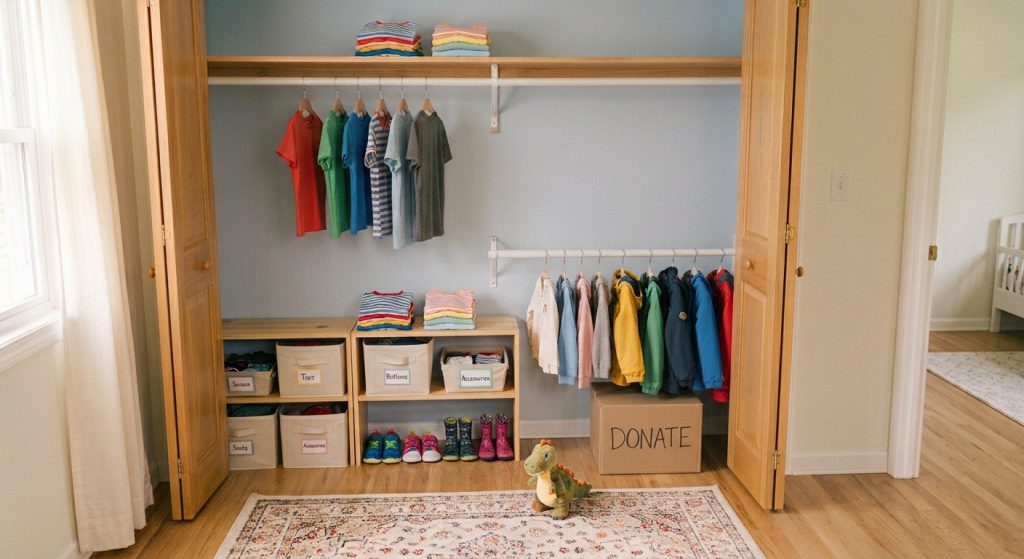
If you only have 8 shirts, it is easier to get laundry done. Easy means the laundry gets done more regularly, so those 8 shirts are always clean and put away where they are ready for the morning routine. If there are clothes that they have outgrown or refuse to wear, donate them so they aren’t taking up brain power when choosing outfits. Those unwearable clothes still feel like options that your brain has to sort through if they still live in the drawer or closet. Leave a donatable cardboard box in every clothes closet so unwearable clothes can just be tossed right in immediately.
Customize for your family
Every family is different. Morning routines are the culmination of a hundred other household decisions. Home systems can get out of whack for many reasons that have nothing to do with intelligence, work-ethic, or ability. Instead of beating yourself up because you can’t “get it together”, try some of the tips above, or hire a professional to help you think outside the box and work with you as no-judgment accountability to get you back on track.